

When Do You Need a Towing Service for Your Car?
The situations where your car should be towed rather than driven, how to stay safe while you wait, and what to have ready when you request a tow.

In this article
If your car has broken down, been in an accident, or is showing a fault that makes driving risky, having it towed is often safer, and in the long run cheaper, than pushing on. This guide covers when towing is the right call, how to stay safe while you wait, and what to have ready when you request a tow.
When your car should be towed, not driven
Request a towing or vehicle transport service when:
- The car won't start or won't move.
- An accident has damaged a tyre, wheel, the steering or the suspension, or the lights you need to drive safely.
- The engine is overheating. A temperature warning or steam from the bonnet means you should stop. Driving on can cause serious engine damage.
- There's a brake problem, such as a brake warning light, a soft pedal or a grinding noise.
- Fluid is leaking from under the car, whether oil, coolant or brake fluid.
- A red warning light comes on that your owner's manual says requires you to stop driving.
- The car needs to go a long distance, or a car that can't be driven needs to reach a workshop.
When you may not need a tow
After a light scrape with no warning lights, no leaks, intact tyres and working lights, you may be able to drive carefully to a workshop. If you are in any doubt, though, transporting the car is the safer choice, and it avoids turning a small repair into a bigger one.
Staying safe while you wait
- Switch on your hazard lights.
- If the car can be moved safely, get it out of the traffic lanes.
- Wait somewhere away from passing traffic, not directly in front of or behind the car.
- If the breakdown follows an accident in which someone is hurt, contact the emergency services first.
What to have ready when you request a tow
The more the provider knows, the better they can send the right vehicle and equipment:
- Your exact location. Sharing a map pin is easiest.
- The make and model, and whether it's all-wheel drive, unusually low or modified.
- The car's condition. Can the wheels turn? Is the steering locked? Are any wheels damaged?
- The destination, for example a workshop, your home or a service centre.
- After an accident: whether the accident has been reported and photographed. Where it's safe and required, document the car before it's moved.
Flatbed or tow truck?
A flatbed carries the whole car on its bed, while other tow trucks lift one end of the car and leave the other wheels on the road. A flatbed is generally the safer option for all-wheel-drive cars, cars with accident damage, and low cars. Check your owner's manual for any towing instructions specific to your car.
Towing after an accident
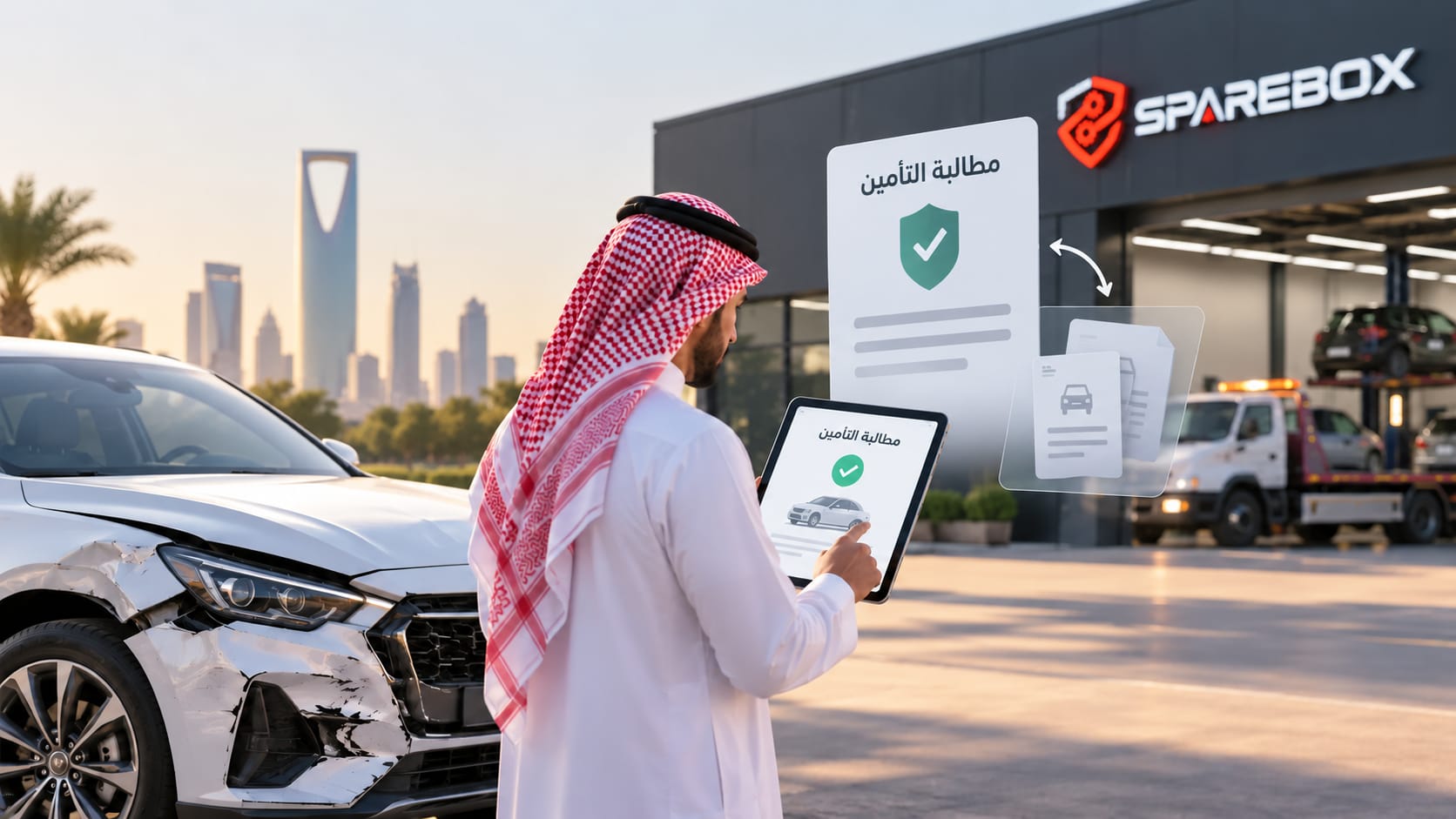
If the tow follows an accident, photograph the car and the scene before it's moved (when it's safe to do so), and keep the tow receipt with your accident records. These details can matter for the insurance claim. Read the full guide on what to do after a car accident and how to open an insurance claim.
Request a towing service
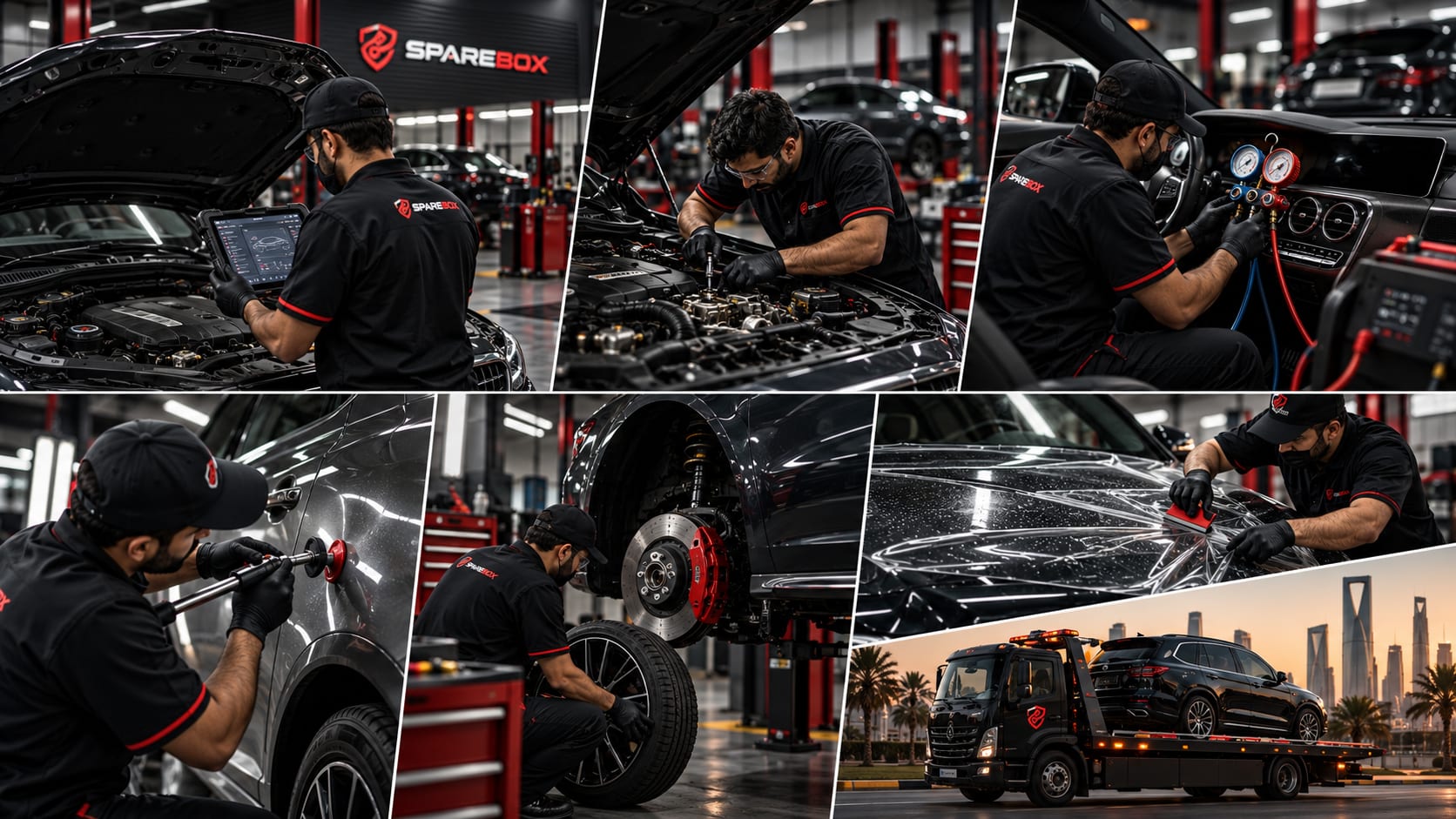
SpareBox gives you access to vehicle towing and flatbed transport providers. The price depends on the distance, the car's location and the type of transport. If you're not sure what's wrong with the car once it's been moved, book inspection and diagnostics, or see how to tell which service your car needs.